Media

Stories, updates, and resources from Wildlands Restoration Volunteers

This page brings together WRV’s newsletters, publications, reports, and visual media in one place. These resources highlight our work across Colorado, share program updates, celebrate volunteer impact, and provide transparency around organizational progress and outcomes.

Whether you’re a volunteer, partner, donor, or community member, the materials below offer insight into WRV’s mission, projects, and ongoing stewardship efforts.

Newsletters

WRV newsletters share stories from the field, upcoming opportunities, program highlights, and ways to stay involved. They are a great way to keep up with restoration work, volunteer experiences, and organizational updates throughout the year.

View WRV newsletters

Press & Annual Reports

WRV publishes annual reports and press materials to share organizational milestones, restoration outcomes, and financial transparency. These resources provide a deeper look at the impact of volunteer stewardship and the progress made each year.

View press materials and annual reports

Photo Albums

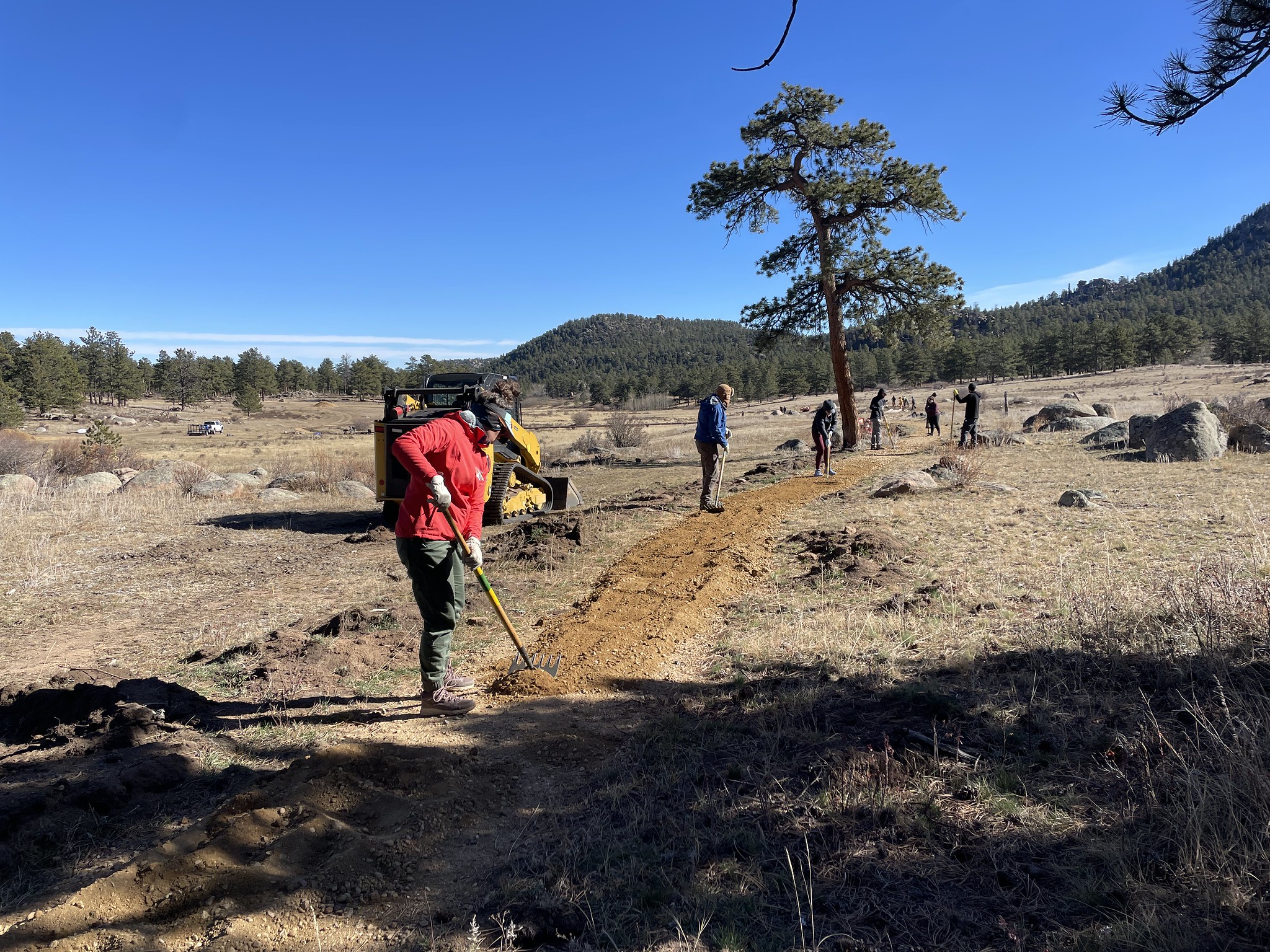
WRV photo albums capture volunteers in action and showcase restoration projects across the state. These images highlight the hands-on work, community connections, and landscapes that make WRV projects meaningful.

Browse WRV photo albums

Annual Report FAQs

No — nonprofits are not legally required to file annual reports each year, but many do so voluntarily to share impact with stakeholders and constituents, including financial summaries and stories of work completed.
An in-kind contribution is a donation of goods or services rather than cash, but one that carries a recognized monetary value.
Nonprofits often bring in more revenue than expenses, but any excess revenue is typically reinvested into the mission rather than distributed to owners or shareholders.
A fee-for-service refers to payment received from partners (such as land agencies or others) that covers some or all of the costs associated with a specific WRV project or training.
WRV’s budget includes expenses beyond volunteer labor, such as materials (plants, seed, erosion control products, fencing materials), transportation, equipment contracting, leadership development, IT, and insurance — all necessary to support safe, effective restoration work.
Volunteer time is freely given, but engaging volunteers involves staff coordination, project design, logistics, tool and supply provisioning, insurance, and training — all of which require organizational resources.
Skip to content